Unraveling the Story of Ethical Wool: Aligning Your Business with Sustainable Values
When you think about wool, what comes to mind? Maybe it’s a cosy jumper or a soft scarf. But have you ever considered the story behind the wool? As business owners, understanding the origins of the materials we use isn’t just about transparency—it’s about aligning with values that resonate with today’s conscientious consumers. Enter the world of ethical wool.
Ethical wool isn’t just a fancy term thrown around to catch the eco-conscious shopper’s eye. It’s a movement towards sustainable practices that respect both the environment and the animals involved. But what does this mean for your business? Let’s dive into the woolly details.
First off, ethical wool is all about ensuring high standards of animal welfare and environmental sustainability. It’s not just about the wool itself but the entire process—from how sheep are treated to how the land is managed. This holistic approach ensures that every step respects both the environment and the animals involved. For businesses, this means aligning with a supply chain that prioritises these values can enhance brand reputation and customer loyalty.
Certifications play a pivotal role in this space. They provide a framework that wool growers and processors must adhere to, ensuring transparency and trust. The Responsible Wool Standard (RWS) is one such certification, guaranteeing that wool comes from farms with a progressive approach to land management and a commitment to animal welfare. Similarly, the Global Organic Textile Standard (GOTS) ensures that textiles meet organic standards throughout the supply chain. These certifications aren’t just labels—they’re a testament to a commitment to ethical practices.
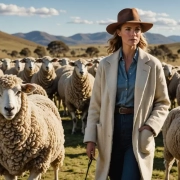
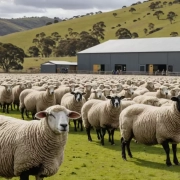
Now, let’s talk about the animals. At the heart of ethical wool production is animal welfare. It’s about ensuring that sheep are treated with respect and care throughout their lives. This includes providing adequate space, proper nutrition, and avoiding harmful practices like mulesing. For businesses, supporting producers who prioritise these aspects isn’t just about feeling good—it’s about doing good.
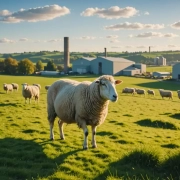
Sustainable farming practices are another pillar of ethical wool. This involves managing land in a way that maintains its health and productivity for future generations. Practices like rotational grazing and biodiversity conservation not only benefit the environment but also enhance the quality of the wool produced. For businesses, this means offering a product that not only looks good but does good.
There’s a common misconception that ethical wool is always more expensive. While it can be pricier due to the higher standards involved, the long-term benefits—such as improved animal welfare and environmental sustainability—often outweigh the costs. Plus, with growing consumer demand, more brands and producers are committing to ethical practices, making it easier than ever to source ethical wool.
When sourcing ethical wool, look for certifications like RWS and GOTS, transparency in sourcing and production processes, and community engagement. Ethical wool producers often engage with local communities, supporting local economies and fostering sustainable practices. By prioritising these factors, you can ensure that the wool you choose aligns with your values.
Speaking of aligning values, if you’re keen to delve deeper into what ethical wool means for your brand and the planet, I highly recommend checking out Lana’s insightful article on the topic. They unravel the concept beautifully, offering a comprehensive look at how ethical wool can make a difference. You can find their article here. It’s a fantastic read that complements what we’ve discussed and offers practical insights for your business.
In conclusion, choosing ethical wool is more than just a trend—it’s a movement towards a more sustainable and compassionate future. As business owners, it’s an opportunity to align with values that resonate with consumers and make a positive impact on the world. For further reading on sustainable practices in the textile industry, the Textile Exchange offers a wealth of resources and insights. So, next time you’re considering wool products, think about the story behind the fibre and how it aligns with your brand’s values. After all, isn’t it time we all did a little better for the planet?