Unraveling the Golden Fleece: Mastering the Art of Sourcing Australian Wool for Mill Success
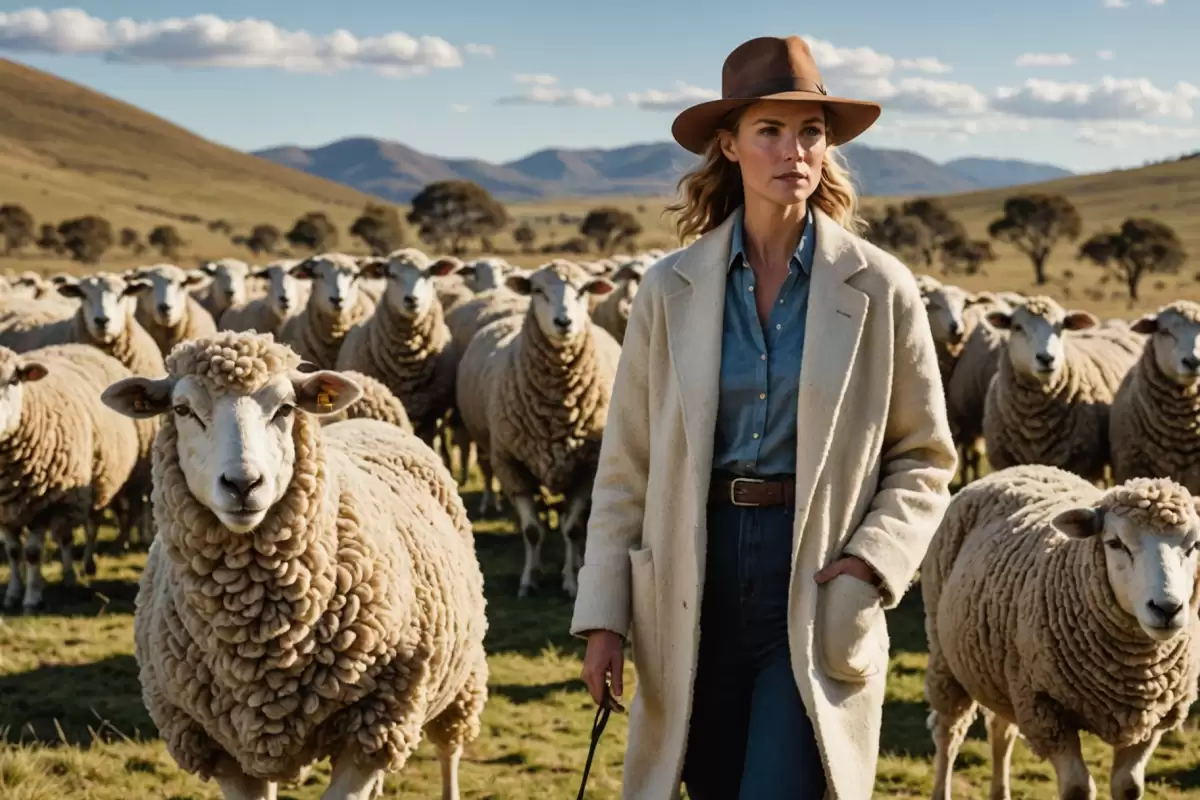
Navigating the world of Australian wool suppliers can feel a bit like trying to find a needle in a haystack—or should I say, a perfect fleece in a paddock? For mill owners, the stakes are high. You need a steady stream of high-quality wool to keep those machines humming and your customers happy. But how do you sift through the options to find that golden fleece? Let’s dive into the woolly world of sourcing and see if we can unravel some of the complexities.
First things first, understanding your wool requirements is crucial. Are you after the luxurious softness of Merino wool, or does your mill need something a bit more robust for industrial applications? Knowing the specifics—like fibre diameter and staple length—can help you zero in on suppliers who specialise in the kind of wool you need. It’s a bit like dating; you need to know what you’re looking for before you can find the right match. Ever tried to order a coffee without knowing if you want a flat white or a long black? It’s a similar concept.
Once you’ve got your wish list sorted, it’s time to think about the supply chain. A reliable supply chain is the backbone of any successful mill operation. This is where a good wool broker can be a game-changer. They’ve got the connections and the know-how to ensure you get what you need when you need it. Plus, they can help buffer against those pesky market fluctuations and supply hiccups. It’s like having a GPS for your wool sourcing journey—no more getting lost in the weeds.
Building long-term partnerships with suppliers is another piece of the puzzle. Trust and transparency are key here. You want to work with suppliers who are open about their practices and committed to sustainability. After all, a good partnership benefits both your mill and the growers. It’s like having a good neighbour; you look out for each other, and everyone’s better off for it.
Evaluating supplier credentials is a step you don’t want to skip. Look for suppliers who are members of reputable industry organisations. This shows they’re committed to quality and ethical practices. If you can, visit their operations. Seeing the production process firsthand can give you valuable insights into their capabilities and standards. It’s like checking out a restaurant’s kitchen before you decide to eat there—reassuring, isn’t it?
In today’s digital age, technology is your friend. Many suppliers now offer online platforms where you can browse their products and place orders. These platforms often include detailed information about the wool’s characteristics, making it easier to find exactly what you need. Plus, using technology can streamline communication and logistics, ensuring a smoother supply chain. It’s like having a personal assistant who never sleeps.
Sustainability is another hot topic in the textile industry, and wool is no exception. When choosing suppliers, consider their commitment to sustainable practices. This includes responsible land management, ethical treatment of animals, and reducing environmental impact. By prioritising sustainability, you’re not only contributing to a healthier planet but also appealing to environmentally conscious consumers. It’s a win-win, really.
Speaking of winning partnerships, if you’re looking for expert guidance in the wool market, you might want to check out Lana’s blog post on navigating the Australian wool supplier landscape. They offer some great insights into building successful supplier relationships and ensuring a consistent supply chain. You can find their article here. It’s a fantastic resource for anyone looking to deepen their understanding of the wool market.
For those keen to delve deeper into sustainable practices in the textile industry, the Sustainable Apparel Coalition is a valuable resource. They provide tools and guidance for improving sustainability in the apparel and footwear industries. It’s a great place to start if you’re looking to make your mill operations more eco-friendly.
So, there you have it—a comprehensive guide to navigating the Australian wool supplier market. With a bit of knowledge, the right partnerships, and a dash of technology, you’ll be well on your way to sourcing the perfect wool for your mill’s success. Happy sourcing!