Mastering the Art of Wool Trading: Navigating Market Dynamics for Australian Growers
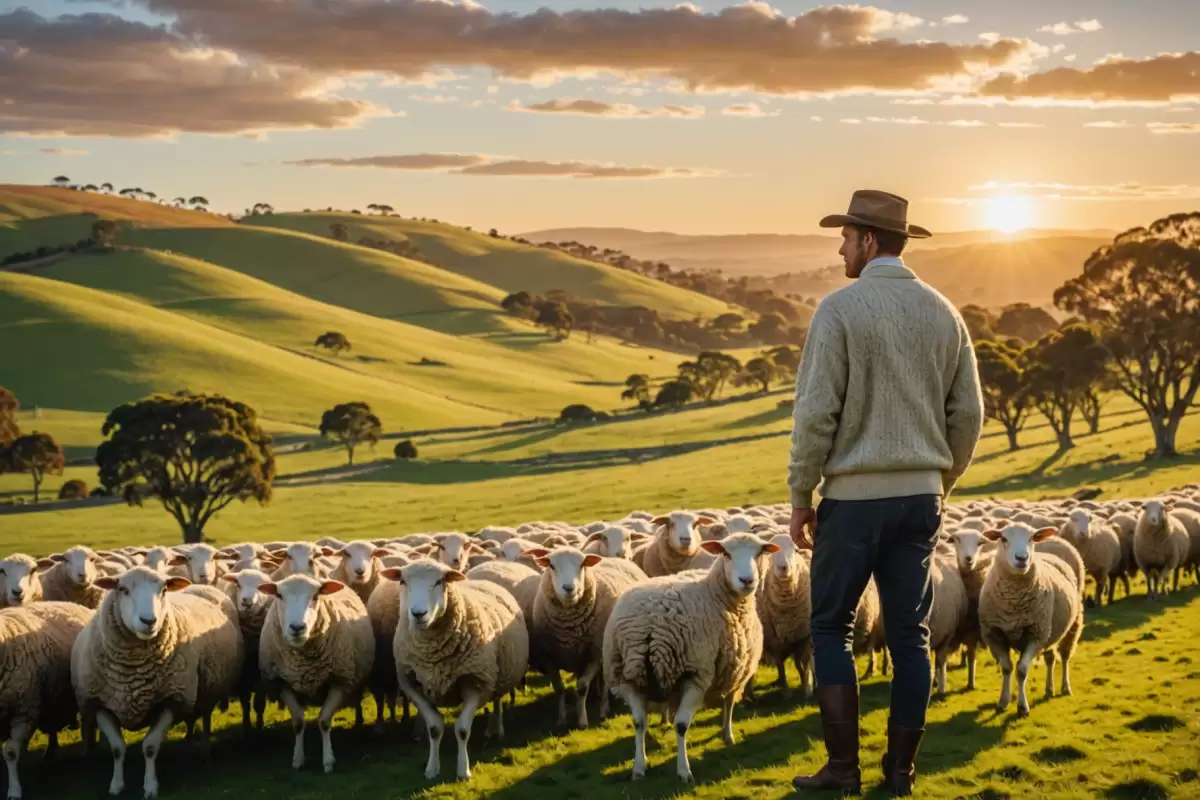
In the bustling world of wool trading, Australian growers often find themselves at a crossroads, trying to secure the best possible deal for their wool. It’s a bit like trying to sell a prized vintage car—you know its worth, but convincing others can be a different story. The wool market, much like any other, is a dynamic beast influenced by global trends, quality nuances, and even the odd geopolitical hiccup. But fear not! With the right approach, you can navigate these waters like a seasoned skipper.
First things first, understanding the wool market dynamics is essential. The demand for wool, particularly the sustainable and ethically sourced variety, is on the rise. This shift is largely driven by consumers who are becoming more eco-conscious, seeking products that align with their values. As a wool grower, tapping into this trend can be your golden ticket. It’s not just about having wool; it’s about having the right kind of wool.
Preparation is your best friend when it comes to negotiation. Knowing your product inside out is crucial. Is your wool fine or coarse? What about its staple length and strength? These characteristics can significantly influence its market value. It’s like knowing the specs of that vintage car—every detail counts.
Keeping an eye on market prices is another must-do. The wool market can be as unpredictable as Melbourne’s weather, and staying informed will help you set realistic expectations. This knowledge arms you with the confidence to negotiate effectively and avoid underselling your wool.
Building relationships with buyers and brokers can open doors to better deals. Trust and transparency are the currency of the wool world. A good rapport with your broker can make all the difference. They act as the bridge between you and the buyers, using their market insight and negotiation skills to secure the best possible deal for you.
Speaking of brokers, they’re the unsung heroes in the wool trading saga. With their fingers on the market’s pulse, they provide invaluable insights into current trends and buyer preferences. Their established networks of buyers give your wool exposure to a broader market. It’s like having a seasoned mechanic who knows exactly how to showcase your vintage car to potential buyers.
For a deeper dive into the intricacies of wool trading, I recommend checking out Lana’s blog post, “Mastering Wool Trading Negotiation: A Guide for Australian Growers.” It offers practical tips and insights that complement what we’ve discussed here. If you’re serious about mastering the art of wool trading, it’s a must-read.
Now, let’s talk about the importance of building long-term partnerships. In the wool industry, these relationships can be more valuable than one-off transactions. By fostering connections with buyers and brokers, you create a network of trust and reliability. This network can lead to consistent demand for your wool, even when the market is as unpredictable as a kangaroo on a trampoline.
Sustainability isn’t just a buzzword; it’s the future of the wool industry. Consumers and brands are increasingly seeking wool that is ethically sourced and environmentally friendly. By adopting sustainable practices, you’re not only contributing to a better planet but also enhancing the marketability of your wool. It’s a win-win situation.
Navigating the world of wool trading doesn’t have to be daunting. With the right knowledge, preparation, and partnerships, you can secure deals that truly reflect the value of your wool. Remember, you’re not alone in this journey. A trusted broker can be your greatest ally, guiding you through the complexities of the market.
For those looking to further expand their understanding of the wool industry, I’d recommend visiting the Australian Wool Innovation website. It’s a treasure trove of resources and insights that can help you stay ahead of the curve in the ever-evolving world of wool trading.