Mastering the Art of Wool Preparation: A Guide for Australian Growers
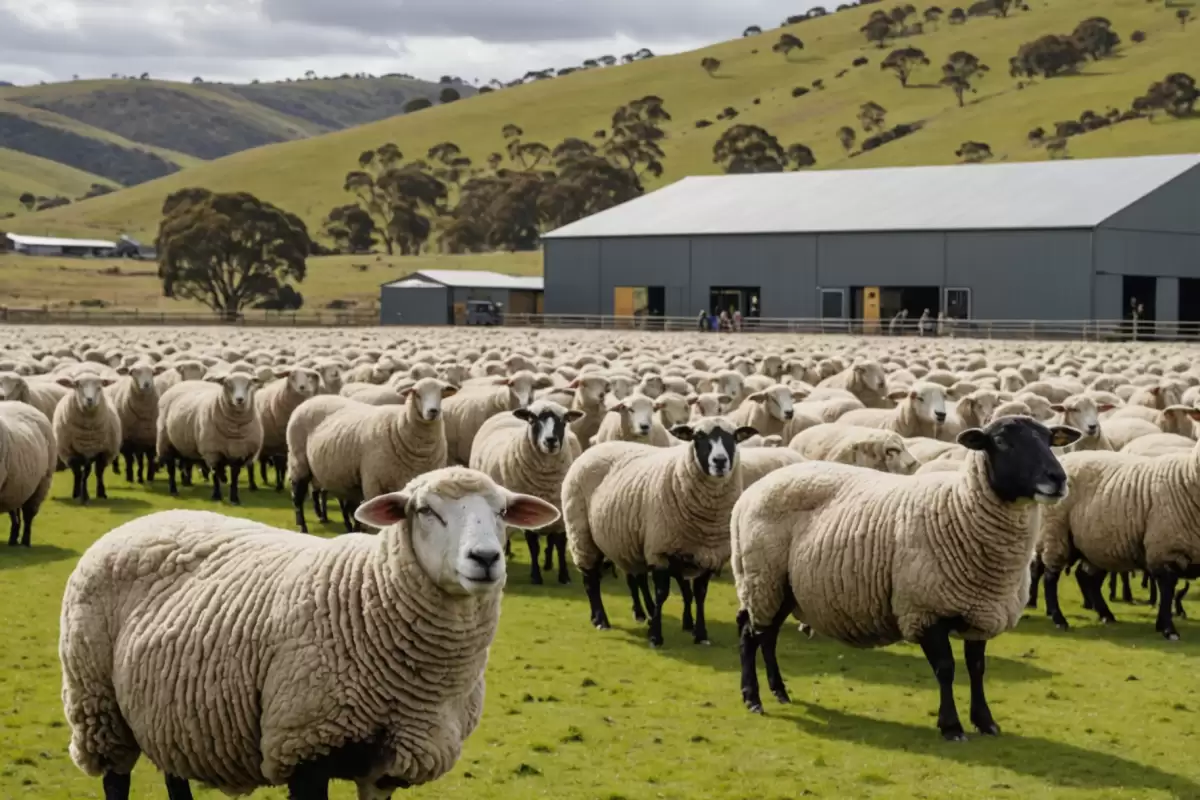
When it comes to preparing your wool clip for market, it’s a bit like getting ready for a big night out—everything needs to be just right. From ensuring the quality of the wool to meeting the specific needs of buyers, it’s a process that requires precision, care, and a touch of finesse. If you’re an Australian wool grower looking to make the most of your wool clip, there are a few key practices that can help you stand out in the competitive wool market.
First things first, let’s talk about wool classing. Think of it as sorting your wardrobe—each piece has its place. Wool classing involves categorising wool based on quality, length, and other characteristics. This step is crucial because it ensures that your wool meets the specific requirements of buyers and processors. It’s not just about making your wool look good; it’s about maintaining the integrity of the wool supply chain. And trust me, a well-classed wool clip is like a perfectly tailored suit—it’s bound to impress.
Now, onto skirting. No, we’re not talking about fashion trends here. Skirting in the wool world means trimming the fleece to remove any dirty or lower-quality edges. It’s like giving your wool a fresh haircut, ensuring it looks neat and tidy. By focusing on removing stained, short, or contaminated wool, you enhance the overall quality of your clip. Remember, a well-skirted fleece is more attractive to top processors and brands, and it can significantly boost your market value.
But what’s the point of all this effort if your wool isn’t stored properly? Proper storage is key to preserving the quality of your wool clip. Imagine storing your favourite outfit in a damp, cluttered closet—it’s not going to end well. Wool should be stored in a clean, dry environment to prevent contamination and deterioration. Use wool packs or bins that allow for adequate ventilation, and avoid stacking wool too high to prevent compression. Regularly checking your storage area for pests and moisture is like doing a quick wardrobe check—essential for keeping everything in top condition.
Meeting buyer specifications is another critical aspect of wool preparation. Each buyer may have different requirements regarding fibre length, strength, and cleanliness. Staying informed about industry trends and maintaining open communication with buyers ensures that your wool meets their needs. This proactive approach can lead to long-term partnerships and increased demand for your product. After all, who doesn’t want to be the go-to supplier in their industry?
Reducing waste during wool preparation is not only environmentally responsible but also economically beneficial. By minimising waste, you can increase the yield and quality of your clip. Implement efficient classing and skirting practices, and consider recycling or repurposing waste wool. It’s like turning leftovers into a gourmet meal—cost-effective and sustainable.
To truly maximise returns, focus on producing a high-quality product that meets market demands. Investing in training and resources to improve your wool preparation skills is like taking a masterclass in your field. Stay updated on industry developments and build strong relationships with buyers and processors. These connections can lead to better pricing and opportunities for your wool, ensuring you get the best bang for your buck.
Speaking of getting the most out of your wool clip, Lana has published a fantastic article titled ‘Wool Clip Preparation Guide for Australian Wool Growers’. It’s packed with insights on classing, skirting, and storage, offering practical tips to enhance the quality of your wool. If you’re serious about making your wool clip market-ready, I highly recommend giving it a read. Lana’s guide complements the advice here perfectly, providing a comprehensive look at the wool preparation process.
Finally, for those eager to dive even deeper into the world of wool, the Australian Wool Innovation website is a treasure trove of information. From the latest industry news to resources on wool production, it’s a valuable resource for any wool grower looking to stay ahead of the curve. So, whether you’re a seasoned pro or just starting out, there’s always something new to learn in the ever-evolving world of wool.