
MBR vs AIDA vs PAS: Why Modern Copywriting Needs a More Emotionally Intelligent Formula
 Entrepreneur Network Australia
In an age where hard-sell tactics are losing their grip, and trust is the new currency, the way we write to persuade needs to evolve.
Copywriting formulas like AIDA (Attention–Interest–Desire–Action) and PAS (Problem–Agitate–Solution) have stood the test of time. They’ve been the backbone of ads, landing pages, and direct-response campaigns for decades—and they still work in the right context.
But business today looks different than it did when those formulas were born. Customers are more informed, more skeptical, and more resistant to manipulation. What they’re seeking isn’t persuasion—it’s clarity, empathy, and confidence.
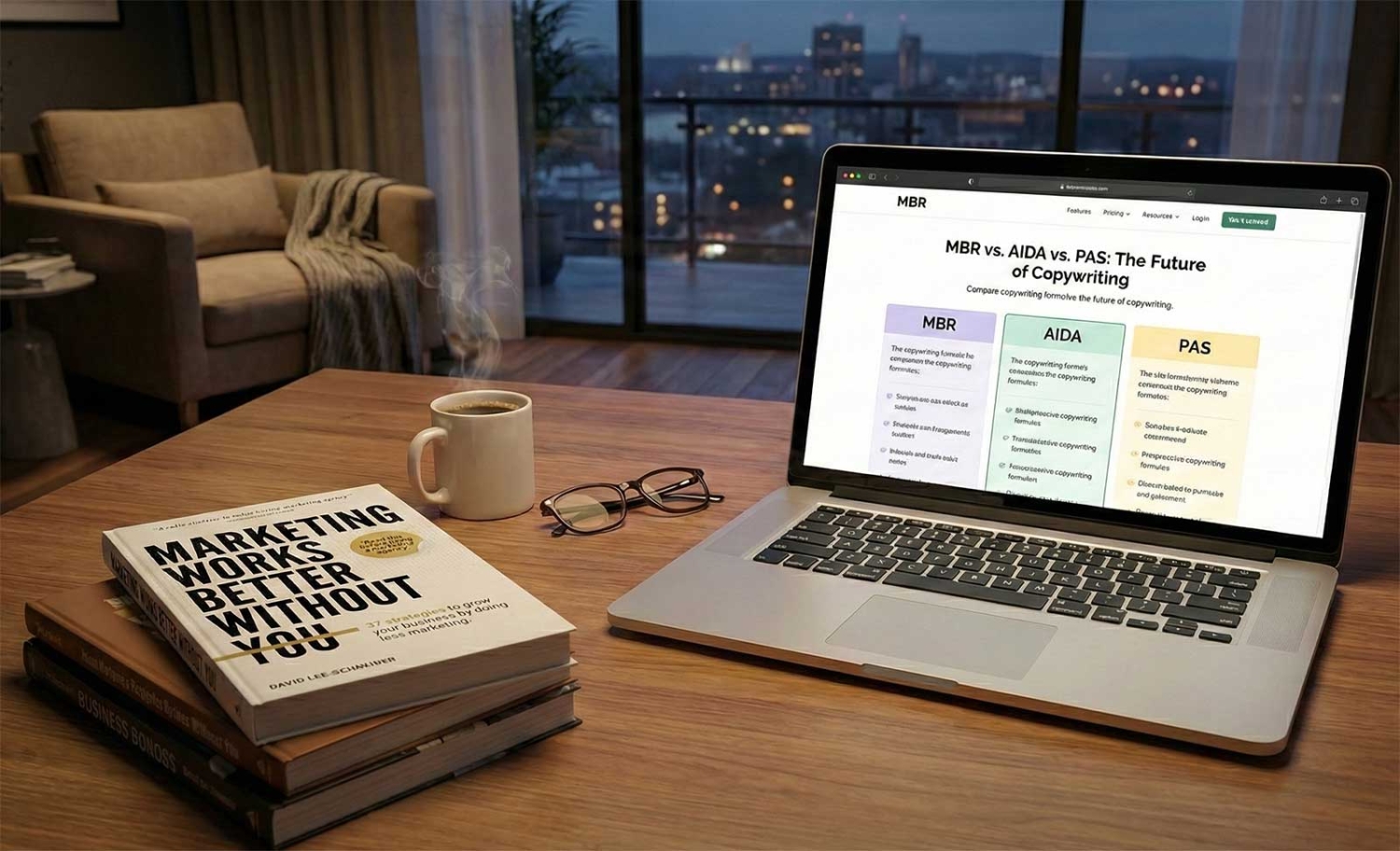
That’s where the MBR formula—Mirror → Bridge → Relief—comes in.
Created by David Lee-Schneider, founder of Done Digital and author of Marketing Works Better Without You, MBR reflects a shift in how service-based businesses build trust online. It’s not just a new structure—it’s a new mindset.
AIDA and PAS: Powerful but Pushy
Let’s start with what AIDA and PAS do well.
AIDA grabs your attention, holds it with intrigue, builds desire, and then pushes for action.
PAS identifies a pain point, digs into it (agitate), and then offers a solution.
They work. But they’re also intense.
In emotionally sensitive buying journeys—like choosing a coach, accountant, or health provider—AIDA and PAS can come off as aggressive. They escalate tension to create urgency, which is great for flash sales… less great for someone unsure, overwhelmed, or quietly browsing for the right fit.
That’s where most service pages fall flat. They either mimic a billboard or collapse into a bland list of features. Neither speaks to the human on the other side.
Why MBR Is More Relevant Than Ever
The MBR formula approaches copywriting with emotional intelligence. It doesn’t persuade by pressure—it reassures through understanding.
Here’s how it works:
- Mirror – You reflect the reader’s current experience: their confusion, frustration, or concern. You name what they’re going through, using their language—not yours.
- Bridge – You explain why the problem exists and gently challenge common misconceptions. This builds trust by making the reader feel seen, not sold to.
- Relief – You paint the picture of what life looks like once the issue is resolved. Only then do you introduce your service—without fanfare, without fluff.
The result? A quiet, confident conversation between brand and buyer. One that helps people feel safe taking the next step.
Emotional Intelligence in Marketing Isn’t a Trend. It’s the Future.
Consumer behavior is changing. We don’t want to be pitched—we want to be understood. That shift reflects a deeper societal move towards empathy, authenticity, and connection—qualities that the MBR formula is built around.
MBR isn’t just about writing better service pages. It’s about removing friction, lowering resistance, and helping people feel comfortable moving forward.
That’s why it often outperforms traditional copy frameworks—especially for service-based businesses where trust, clarity, and relationships matter most.
When to Use Each Formula
To be clear: AIDA and PAS still have their place.
- AIDA is excellent for ads, emails, and high-impact landing pages.
- PAS is a go-to for persuasive product launches and direct offers.
- MBR shines on service pages, sales pages, and anywhere a calm, guiding tone is more effective than urgency.
The most successful businesses know how to use each in the right context.
But if you’re writing for a real person who’s browsing your website at 10:47 p.m. looking for help—not hype—MBR will meet them where they are.
The Future of Copywriting
Copywriting is evolving, and so should our formulas.
As trust becomes a competitive advantage and emotional intelligence becomes the new persuasion, the MBR formula offers a more relevant, more human way to write.
Because in a world full of noise, the brands that connect—not just convince—will win.
 Done Digital Marketing