Unlocking Kerb Appeal: The Power of Modern House Number Signs
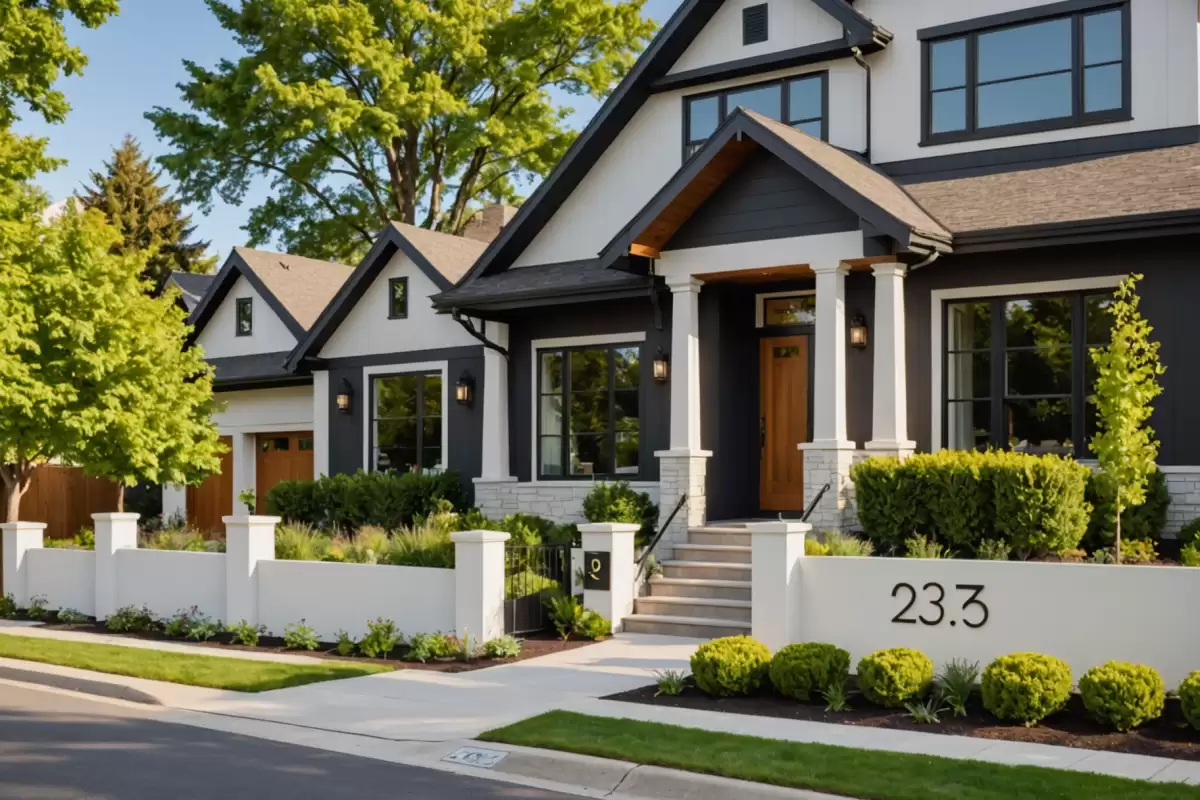
Imagine pulling up to a house that instantly captivates you. The secret? It might just be the house number sign. These often-overlooked details can transform a home’s exterior from ordinary to extraordinary. For business owners, especially those in the real estate or home renovation sectors, understanding the power of modern house number signs can be a game-changer. Let’s dive into how these small yet significant elements can enhance a property’s kerb appeal and why they matter more than you might think.
First off, let’s talk about the magic of customisation. In a world where personalisation is king, a bespoke house number sign offers a unique opportunity to reflect the personality of a home—or even a business. Think of it like a business card for your property. It’s the first impression visitors get, and we all know how important first impressions are. Whether you opt for a sleek, minimalist design or something more ornate, your choice can speak volumes about what lies beyond the door.
Now, onto the art of minimalism. In design, less is often more. Minimalist house number signs are all about simplicity and clarity. They strip away the unnecessary, leaving a clean, straightforward design that’s easy to read and aesthetically pleasing. Imagine a crisp, sans-serif font in a contrasting colour that pops against your home’s façade. It’s like the little black dress of home design—timeless and effortlessly chic.
But what about visibility? A house number sign that blends into its surroundings might look elegant, but if it’s not functional, what’s the point? Contrast and scale are your best friends here. Choose a colour that stands out from your home’s exterior, and ensure the numbers are large enough to be seen from the street. After all, you want your guests—or potential buyers—to find you without a treasure map.
Lighting is another crucial factor. Ever driven past a house at night and squinted to make out the numbers? It’s frustrating, right? Proper lighting can prevent this issue and add a touch of elegance to your home’s exterior. From backlit numbers to solar-powered spotlights, there are plenty of options to ensure your sign shines bright, day or night.
The distance of your house from the street should also influence your design choice. If your property is set back from the road, larger, bolder numbers are a must. It’s all about striking the right balance between style and functionality. You don’t want people squinting or, worse, driving past because they couldn’t spot your number.
Material choice is another critical consideration. The material of your house number sign should complement your home’s architecture. Whether it’s wood, metal, or acrylic, the right material can enhance your home’s overall aesthetic. A wooden sign might suit a rustic property, while a sleek metal sign could be perfect for a modern, industrial-style home. It’s like choosing the right accessory to complete an outfit.
For those keen to explore further, Sign Artist has an insightful blog post titled ‘Enhance Your Home’s Kerb Appeal With Modern House Number Signs’. They delve into the nuances of design principles, from minimalism to lighting and material choices. Their post is a treasure trove of ideas for anyone looking to make a statement with their house number sign. If you’re serious about boosting your property’s appeal, it’s worth a read.
Finally, if you’re looking for more inspiration or practical tips, check out the Design Institute of Australia. They offer a wealth of resources on design trends and best practices that can help you make informed decisions about your home or business’s exterior design.
In conclusion, while house number signs might seem like a small detail, they hold the power to transform a property’s kerb appeal. By considering factors like customisation, minimalism, contrast, lighting, and materials, you can create a sign that’s not only functional but also a true reflection of your style. So, why not take the plunge and give your home the facelift it deserves? After all, it’s the little things that often make the biggest difference.