

Entrepreneur Network Australia
  • Home
  • EN Magazine
    • Marketing
    • Leadership
  • Business Directory
  • FREE Business Listing
  • Menu Menu

Strategies for Achieving Sustainable Business Growth

Are you a business owner looking for strategies to achieve sustainable business growth? You’re in luck! In this article, we’ll take a look at some practical tips and strategies that can help you grow your business in a sustainable way.

1. Have a Clear Vision and Goals:

When it comes to achieving sustainable business growth, having a clear vision and goals is essential. Before you start implementing any strategies, it’s important to have a clear idea of what you want to achieve and how you plan to get there. Once you have a clear vision, you can create a plan to reach your goals.

2. Invest in Your Team:

Your team is the backbone of your business, so it’s important to invest in them. Investing in your team will help you create a strong culture of success and ensure that your team is motivated and engaged.

3. Focus on Your Customers:

Your customers are the lifeblood of your business, so it’s important to focus on them. Make sure you understand their needs and wants, and work to create a customer experience that will keep them coming back.

4. Leverage Technology:

Technology can be a powerful tool for achieving sustainable business growth. Leverage technology to streamline processes, automate tasks, and improve customer service.

5. Network and Connect:

Networking and connecting with other businesses and industry professionals can be a great way to gain insight and knowledge, as well as find potential business partners and customers.

6. Monitor and Measure:

In order to ensure that your strategies are working, it’s important to monitor and measure your progress. Regularly review your performance and make adjustments as needed.


By following these tips, you’ll be well on your way to achieving sustainable business growth. Good luck!

Article provided by Done Digital, a digital marketing agency based in Brisbane, Australia.

Need more help growing your business?

Join the Entrepreneur Network Australia Facebook Group and connect with Australia’s best business mentors and hundreds of like-minded business owners.


https://entrepreneurnetwork.com.au/wp-content/uploads/2023/02/Strategies-for-Achieving-Sustainable-Business-Growth.jpg 522 960 Entrepreneur Network Entrepreneur Network2023-02-07 13:56:372023-02-07 13:56:37Strategies for Achieving Sustainable Business Growth
Harnessing the Power of Effective Company Leadership

Harnessing the Power of Effective Company Leadership

Harnessing the Power of Effective Company Leadership

Leadership is an essential part of any successful business. As a business owner, it is important to understand the power of effective company leadership and how to harness it to ensure the success of your business.

Company leadership is about more than just having a strong leader at the helm. It is about creating a culture of respect, trust, and collaboration that encourages employees to work together to achieve the company’s goals.

The first step in harnessing the power of effective company leadership is to make sure that you have the right people in the right roles.

Make sure that you have leaders who have the skills and experience to lead the company forward. It is also important to ensure that all employees feel valued and respected.

Once you have the right people in place, it is important to ensure that they are given the tools and resources they need to succeed.

This means providing them with the necessary training and support to help them develop their skills and knowledge.

It is also important to create a culture of open communication and collaboration.

Encourage your employees to share ideas and work together to solve problems. This will help to create a more productive and engaged workforce.

Finally, it is important to recognize and reward employees for their hard work and dedication.

This can be done through bonuses, promotions, or other forms of recognition.


By taking the time to invest in effective company leadership, you can ensure that your business is well-positioned to succeed. With the right people, tools, and culture in place, you can create a workplace that is productive, efficient, and profitable.

So, if you’re looking to take your business to the next level, don’t forget to harness the power of effective company leadership. With the right people, tools, and culture in place, you can create a workplace that is productive, efficient, and profitable.

Article provided by Done Digital, a marketing agency based in Brisbane, Australia.

Need more help growing your business?

Join the Entrepreneur Network Australia Facebook Group and connect with Australia’s best business mentors and hundreds of like-minded business owners.

https://entrepreneurnetwork.com.au/wp-content/uploads/2023/02/yeit9w-rwua.jpg 1067 1600 Entrepreneur Network Entrepreneur Network2023-02-07 13:48:482023-02-07 13:48:48Harnessing the Power of Effective Company Leadership

Exploring the Success of Australian Entrepreneurs

The success of Australian entrepreneurs is something to be admired. From tech startups to fashion designers, Australia is home to some of the most innovative and successful entrepreneurs in the world. So, how do these entrepreneurs make it to the top? What can other aspiring entrepreneurs learn from their success?

Let’s take a look at some of the key factors that have contributed to the success of Australian entrepreneurs.

1. Embrace Risk:

Australian entrepreneurs are not afraid to take risks and try new things. They are willing to push boundaries and try innovative ideas, which often leads to success.

2. Networking:

Networking is an essential part of any successful business. Australian entrepreneurs understand the importance of building relationships and reaching out to potential partners and customers.

3. Strong Support System:

Australian entrepreneurs have access to a strong support system. From mentors to investors, there are plenty of people who are willing to help them achieve their goals.

4. Diversification:

Diversification is key for any successful business. Australian entrepreneurs understand the importance of diversifying their portfolios and exploring different markets.

5. Adaptability:

Being able to adapt quickly to changing markets and customer needs is essential for any successful business. Australian entrepreneurs understand the importance of being flexible and adapting to new trends and technologies.


These are just a few of the key factors that have contributed to the success of Australian entrepreneurs. If you are an aspiring entrepreneur, it is important to remember that success doesn’t come overnight. It takes hard work, dedication, and the right support system.

Here are some practical tips that business owners in Australia should consider:

1. Utilise digital marketing:

Digital marketing is a great way to reach potential customers and build your brand. Utilise digital marketing strategies such as SEO, PPC, and social media to reach your target audience and promote your business.

2. Invest in research:

Research is essential for any successful business. Invest in market research to gain insights into customer needs, trends, and competitors.

3. Develop a unique offering:

Stand out from the competition by developing a unique offering. Focus on creating a product or service that is different from what is already on the market.

4. Invest in customer service:

Customer service is key for any successful business. Invest in customer service strategies to ensure that your customers are happy and loyal.

5. Stay up-to-date:

Technology is constantly changing, so it is important to stay up-to-date with the latest trends and technologies. Invest in training and development to ensure that you are ahead of the curve.


By following these tips, you can increase your chances of success as an Australian entrepreneur. Good luck!

Article provided by Done Digital, a Brisbane marketing agency specialising in web design, marketing strategy, social media marketing and marketing automation.

Need more help growing your business?

Join the Entrepreneur Network Australia Facebook Group and connect with Australia’s best business mentors and hundreds of like-minded business owners.

0 0 Entrepreneur Network Entrepreneur Network2023-02-06 13:54:052023-02-06 13:54:05Exploring the Success of Australian Entrepreneurs
Developing Leadership Skills: What You Need to Know

Developing Leadership Skills: What You Need to Know

Leadership is an essential skill for any business owner or manager. It’s the ability to inspire and motivate others, to create a vision and get people to buy into it, and to make decisions that will move the organization forward. But it’s not something that comes naturally to everyone. Developing leadership skills takes time and effort, but the rewards are well worth it.

So, what does it take to become a great leader? Here are some practical tips to help you learn to lead:

1. Understand the Big Picture:

Before you can lead effectively, you need to understand the big picture. Take the time to learn about your organization, its goals, and its strategy. This will help you make better decisions and provide direction to your team.

2. Learn to Listen:

Listening is an essential leadership skill. It’s not enough to just hear what people are saying; you need to be able to understand what they’re saying and how it relates to the big picture. Listening will also help you build relationships and gain trust.

3. Develop Emotional Intelligence:

Emotional intelligence is the ability to understand and manage your own emotions and those of others. It’s important for leaders to be able to recognize and respond to the emotions of their team.

4. Be Authentic:

As a leader, it’s important to be authentic and honest. People will be more likely to follow you if they trust you and believe in your vision.

5. Take Risks:

Taking risks can be scary, but it’s essential for growth. Leaders need to be willing to take calculated risks and learn from their mistakes.

6. Lead by Example:

As a leader, you need to be a role model for your team. Show them that you’re willing to work hard and take initiative.

7. Communicate Effectively:

Effective communication is key to successful leadership. Make sure you’re clear and concise when communicating with your team.

8. Delegate:

As a leader, it’s important to be able to delegate tasks to your team. This will help you free up your time to focus on more important tasks and will help your team members develop their own leadership skills.

Developing leadership skills takes time and effort, but the rewards are well worth it. If you’re willing to put in the work, you can become a great leader who inspires and motivates others.

Article provided by Done Digital, a digital marketing agency based in Brisbane, Australia.

Need more help growing your business?

Join the Entrepreneur Network Australia Facebook Group and connect with Australia’s best business mentors and hundreds of like-minded business owners.

https://entrepreneurnetwork.com.au/wp-content/uploads/2023/02/5686103.jpg 1067 1600 Entrepreneur Network Entrepreneur Network2023-02-06 13:41:282023-02-06 13:41:28Developing Leadership Skills: What You Need to Know
Team Building Tips - Take Your Team from Great to Extraordinary

Team Building Tips – Take Your Team from Great to Extraordinary

Whether you are an organization, or a professional responsible for facilitating the team building process of a team or group, the following tips are ensured to give you some new ideas on how to accelerate your team building initiatives:

1. Create a Common Vision

A common vision for all team members is essential for team building and organizational success. Spend time visioning as a team – what you want to create and where you want to go. This visioning time should also enable you to celebrate your current successes!

Ask Yourself: How clear is our vision? Do all team members hold the same vision?

2. Develop Common Goals

Ensure that your organizational/project and program goals are understood and supported by all team members. All team members need to understand how their efforts are feeding into the larger objectives.

Ask Yourself: Do all team members know what role they play in supporting our larger team/organizational goals? Is everyone clear on what those goals are?

3. Clarify Roles and Responsibilities

One of the main challenges for organizations and groups to move ahead to where they really want to be is due to a lack of clarity on individual roles and responsibilities. Clarifying these roles can help in supporting and achieving your common vision and goals.

Ask yourself: “How clear is our staff in understanding their specific roles? Their specific responsibilities? Where do roles and responsibilities overlap between individual team members? Where do roles and responsibilities overlap with other departments.

4. Ensure Management Support

Supervisors and managers play a key role in “keeping the learning alive”. Ensure that supervisors, managers and owners are following up with staff regarding what their needs are, and how team building efforts can be enhanced. Managers also play a key role in ensuring that the learning from team building initiatives is brought back to the office.

Ask yourself: What systems do we currently have in place to ensure that the learning is sustained? Can we discuss this in staff meetings? Do we have a coaching program in place?

5. Use Engaging Exercises

Team building can be fun and challenging, supporting teams to reach their highest potential. Ensure that participants are engaged and challenged through the process. Consider bringing in an experienced external facilitator to support your efforts, and even run a train-the-trainer program with your staff.

Ask Yourself: What types of activities or exercises would work best for our team members? What are the topics of relevance for them?

6. Take it out of the office

Holding team building sessions in the office can be disruptive and distracting. The lure of email, voice mail and urgent items often take precedence to a full team in-office experience. Reduce everyday distractions by holding team building sessions outside of the office.

Ask Yourself: What type of environment would our staff team benefit from? Some organizations prefer a more “corporate” formal team building session, while others embrace nature and the outdoors.

7. Create An Action Plan

Create an action plan to make the team building part of your everyday work or life. Often retreat days or team building programs have few links with everyday business or organizational objectives. Ensure that when designing the program you create links to the organization or to everyday life so that participants can “bring the learning home”. This can be done by building into the program formal action planning time, and having managers follow up during regular staff meetings. Coaching can be leveraged to keep the “learning alive” after team building events. Research whether individual, team or group coaching will work best for your organization.

Ask Yourself: What can we do to support and sustain individual and team action planning? What current systems do we have to revisit the action plans? Some examples may include staff meetings, manager check-ins, internal/external coaching.

8. Spend time learning what your team members need

Creating a group or organizational context where communication is open, and individual team members feel comfortable bringing their needs up, will make teambuilding efforts more focused and productive.

Find out exactly what team members are looking for to enhance their work and efforts before the team building event. This can be done by the facilitator and/or the team building committee, through email questionnaires, focus groups, or individual meetings

One of the most common pitfalls of team building initiatives is that it does not match the needs of the team. Ensure you invest enough time before the event itself to assess what team members really want.

Ask Yourself: What are the top three priorities for our team members? What is the best way to find this out from individual members?

9. Keep it Regular

Once a year team building programs can do a lot for boosting morale on the short-term, but ask yourself, “What would it be like if we did something more often?”. Imagine the results!

Using the same facilitator over successive programs can often give added traction to the event. Trust and understanding of the team is usually higher each successive event, when using the same facilitator.

Ask Yourself: What amount of time can we commit to team building efforts in our organization this year? What will that look like?

10. Have Fun!

Most importantly, team building initiatives should be fun and engaging for all staff members. They should be relevant and meaningful for the team. Design with the facilitator(s) what structure and topics will give your team the most leverage.

Ask Yourself: What would fun look like for us, given our organizational culture and philosophy?

Look to integrate some of these ideas and systems into your next team building initiative, whether it is a retreat, team coaching, or a workshop, to build a more extraordinary, sustained, productive team.

Copyright 2007 – Jennifer Britton. All Rights Reserved.

For more information, please visit us at:

The “Biz” Toolkit Blog: http://biztoolkit.blogspot.com

Team Coaching: http://www.groupcoachingessentials.com/pages/team-coaching

Email: jennifer@potentialsrealized.com –

Toll Free: 1-866-217-1960

Article by Jennifer Britton

https://entrepreneurnetwork.com.au/wp-content/uploads/2023/02/3184418.jpg 1067 1600 Entrepreneur Network Entrepreneur Network2023-02-03 14:24:352023-02-03 14:24:35Team Building Tips – Take Your Team from Great to Extraordinary
Strategies for Growing a Small Business

Strategies for Growing a Small Business

Are you a small business owner looking for strategies to help grow your business? You’ve come to the right place! Growing a small business can be a challenge, but with the right strategies and tactics, you can make it happen. Here are some tips to help you get started:

1. Focus on Your Customers:

Your customers should always be your top priority. Make sure you understand their needs and wants and strive to provide the best customer experience possible. This will help you build relationships with your customers and increase loyalty.

2. Invest in Technology:

Technology is essential for any business, but it’s especially important for small businesses. Investing in the right technology can help you streamline processes, improve efficiency, and reduce costs.

3. Utilize Social Media:

Social media is an effective tool for connecting with customers and promoting your business. Make sure you’re active on the right platforms and use them to your advantage.

4. Network:

Networking is essential for any business, but especially for small businesses. Connect with other business owners, attend events, and join industry associations to make connections and learn from others.

5. Set Goals:

Setting goals is essential for any business. Make sure you set SMART goals that are specific, measurable, achievable, realistic, and timely. This will help you stay focused and motivated.

6. Invest in Your Employees:

Investing in your employees is one of the best strategies for growing a small business. Make sure you provide training and development opportunities and create a positive work environment.

7. Market Your Business:

Marketing is essential for any business, but it’s especially important for small businesses. Make sure you’re utilizing all the available channels to reach your target audience.

8. Monitor Your Progress:

It’s important to track your progress and measure your success. Make sure you’re monitoring your metrics and using the data to make informed decisions.


These are just a few strategies for growing a small business. With the right strategies and tactics, you can take your business to the next level. Good luck!

Article provided by Done Digital, a marketing agency based in Brisbane, Australia.

Need more help growing your business?

Join the Entrepreneur Network Australia Facebook Group and connect with Australia’s best business mentors and hundreds of like-minded business owners.
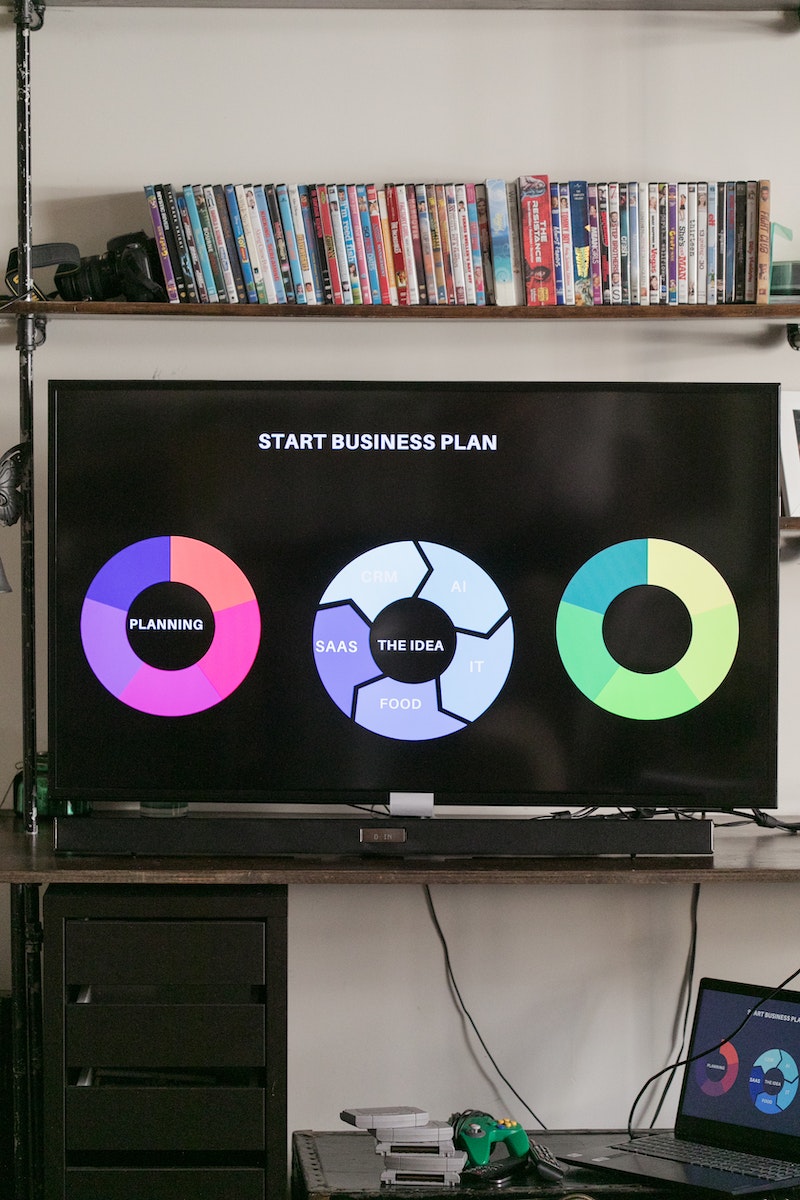
https://entrepreneurnetwork.com.au/wp-content/uploads/2023/02/936137.jpg 1060 1600 Entrepreneur Network Entrepreneur Network2023-02-03 14:16:112023-02-03 14:16:11Strategies for Growing a Small Business
The Benefits of Team Building: How to Create a Positive Work Environment

The Benefits of Team Building: How to Create a Positive Work Environment

Team building is a great way to create a positive work environment and foster collaboration among employees. It can help to improve communication, increase morale, and build trust among team members. In this article, we’ll explore the benefits of team building and provide practical tips on how to create a positive work environment.

The Benefits of Team Building

Team building can have a variety of positive impacts on the workplace. It can help to build relationships, increase productivity, and create a sense of unity among team members.

1. Improved Communication:

Team building activities can help to improve communication between team members. This can help to reduce misunderstandings and increase collaboration.

2. Increased Morale:

Team building activities can help to increase morale among employees. This can lead to improved job satisfaction and an overall better work environment.

3. Improved Problem-Solving:

Team building activities can help to improve problem-solving skills. This can help to make the workplace more efficient and productive.

4. Improved Trust:

Team building activities can help to build trust between team members. This can help to create a more positive work environment and foster collaboration.

Practical Tips for Team Building

Now that you know the benefits of team building, here are some practical tips on how to create a positive work environment:

1. Make it Fun:

Team building activities should be fun and engaging. This will help to keep employees motivated and engaged.

2. Set Goals:

Set clear goals for team building activities. This will help to ensure that the activities are productive and achieve the desired results.

3. Encourage Participation:

Encourage all team members to participate in team building activities. This will help to ensure that everyone is included and that the activities are successful.

4. Celebrate Success:

Celebrate success when team building activities are completed. This will help to reinforce the importance of team building and create a positive work environment.

Conclusion

Team building is a great way to create a positive work environment and foster collaboration among employees. It can help to improve communication, increase morale, and build trust among team members. By following the tips outlined in this article, you can ensure that your team building activities are successful and create a positive work environment.

Article provided by Done Digital, a marketing agency based in Brisbane, Australia.

Need more help growing your business?

Join the Entrepreneur Network Australia Facebook Group and connect with Australia’s best business mentors and hundreds of like-minded business owners.

https://entrepreneurnetwork.com.au/wp-content/uploads/2023/02/5256816.jpg 1067 1600 Entrepreneur Network Entrepreneur Network2023-02-03 14:09:542023-02-03 14:09:54The Benefits of Team Building: How to Create a Positive Work Environment
Why Do Startups Need Business Coaching?

Why Do Startups Need Business Coaching?

If you think about it, a startup is like a football team at the start of the season. The right combination of skills, talent, leadership, and vision for success is needed to get a jumpstart and surpass the competition. But even if you got all of that, there is still high chance it won’t work without the right business coach to catalyze it.

A lot of companies have been using business coaches for decades. With talent and creativity flocking to startup companies, it is only normal for them to turn to business coaches as well. An executive coach has the potential to help companies evolve out of their business plan and truly prosper. Here are few ways that an executive coach can aid a startup company in reaching the next level:

They are objective –

startups have an inherently obvious drawback: their leaders see their ventures like their own children and are too emotionally invested and attached to the business decisions they make. Emotion and passion are important, but they can often cloud perception, planning, and execution of business plans. The objectivity that an executive coach provides goes a long way in enhancing the performance of the startup. A leader of such venture can learn a great deal from an objective coach.

Help leaders develop their personal style –

leadership qualities are essential for the success of any startup venture. That is why it is important to foster them right from the start and working with an executive coach can greatly help in that regard. Not only can they evaluate individual skills and see what needs to be improved, but they can also work with the leaders to do just that. Coaches bring out the best in people. Good coaches offer the right insight on behavior and thinking that fosters a suitable leadership style for the startup.

Help team building –

the dynamics of the team are tricky business. The reason lies in the fact that every team member brings unique experiences and it can be difficult to make it all work. A good coach can help identify differences and recommend ways of making team gel better. The effectiveness of the team is an important part of every startup project.

Preemptively point out weak links –

did you know that 8 out of 10 startups fail within the first year and a half? The reason is that companies do not have an action plan for possible issue down the road. Even skilled leaders might have a hard time reading coming changes and reacting accordingly. A good coach can lend their expertise in that regard and point out possible pitfalls before they manifest themselves.

Setting goals –

a unified sense of growth is needed for a startup to grow successfully. An executive coach can work with the leader to align the goals and vision of the company. Not only that, but the coach can align the goals of the company with the leader’s personal goals for professional development and growth.

It is evident that an executive coach does wonders in regards to startups. The business coaching expertise they bring to the table can make a world of difference.

Article by Paul McCartney

https://entrepreneurnetwork.com.au/wp-content/uploads/2023/02/7947967.jpg 1200 800 Entrepreneur Network Entrepreneur Network2023-02-03 13:59:592023-02-03 13:59:59Why Do Startups Need Business Coaching?

10 Strategies for Generating Leads with Digital Marketing

Are you looking for ways to generate leads with digital marketing? It can be a daunting task for any business owner, but with the right strategies in place, you can be sure to see results. Here are 10 strategies for generating leads with digital marketing:

1. Create a Compelling Website:

Your website should be the cornerstone of your digital marketing efforts. Make sure it is optimized for mobile devices, easy to navigate, and includes compelling content that will draw in potential customers.

2. Leverage Social Media:

Social media is a great way to reach potential customers. Make sure you are active on the platforms that your target audience uses and post content regularly.

3. Use Email Marketing:

Email marketing is still one of the most effective ways to reach potential customers. Create an email list and send out regular emails with special offers, discounts, and other content that will draw in leads.

4. Focus on SEO:

Search engine optimization (SEO) is crucial for generating leads. Make sure your website is optimized for the keywords that your target audience is searching for.

5. Utilize Paid Ads:

Paid advertising is a great way to reach a larger audience and generate leads. Ads on Google, Facebook, and other platforms can be targeted to reach the right people.

6. Host Webinars:

Webinars are a great way to engage with potential customers and provide them with valuable information. Hosting webinars can help you generate leads and build relationships with customers.

7. Offer Free Trials:

Offering free trials of your product or service can be a great way to generate leads. People are more likely to sign up if they know they can try it out before committing.

8. Create Content:

Creating content such as blog posts, videos, and podcasts is a great way to draw in potential customers. Make sure the content is relevant to your industry and provides value to the reader.

9. Use Referral Programs:

Referral programs are a great way to generate leads. Offer incentives for customers to refer your product or service to their friends and family.

10. Network:

Networking is a great way to generate leads. Attend events, join industry groups, and reach out to potential customers.


These are just some of the strategies you can use to generate leads with digital marketing. With the right strategy in place, you can be sure to see results. Good luck!

Article provided by Done Digital, a marketing agency based in Brisbane, Australia.

Need more help growing your business?

Join the Entrepreneur Network Australia Facebook Group and connect with Australia’s best business mentors and hundreds of like-minded business owners.

0 0 Entrepreneur Network Entrepreneur Network2023-01-31 11:41:092023-01-31 11:41:0910 Strategies for Generating Leads with Digital Marketing

The Essential Guide to Becoming an Effective Leader

Are you ready to become an effective leader? Leadership is an important skill for any business owner, and it’s essential to success. But how do you become an effective leader?

The Essential Guide to Becoming an Effective Leader will help you develop the skills and qualities necessary to lead your team to success. This guide will provide you with practical tips and advice to help you become a more effective leader.

First, it’s important to understand the basics of leadership.

Leadership is about setting a vision, motivating your team to reach that vision, and making sure that everyone is on the same page. It’s also about being able to communicate effectively and make decisions that will benefit the team and the company.

Second, you need to develop your own leadership style.

Leadership isn’t a one-size-fits-all approach. You need to find a style that works for you and your team. Some leaders are more authoritarian while others are more collaborative. Find a style that works for you and your team and stick with it.

Third, it’s important to focus on building relationships.

As a leader, you need to be able to build trust and rapport with your team. This will help you create an environment where everyone feels comfortable and can be open and honest with each other.

Fourth, it’s important to be a good listener.

Listening is a key skill for any leader and it’s essential to effective communication. Listen to your team and try to understand their point of view. This will help you make better decisions and create a better work environment.

Finally, it’s important to stay organized.

As a leader, you need to be able to stay organized and on top of tasks. This will help you stay focused and make sure that everything is getting done in a timely manner.


By following these tips and advice, you’ll be well on your way to becoming an effective leader. Leadership is a skill that takes time and practice to develop, but with the right guidance, you can become a leader that your team can rely on.

Article provided by Done Digital, a Brisbane marketing agency specialising in web design, marketing strategy, social media marketing and marketing automation.

Need more help growing your business?

Join the Entrepreneur Network Australia Facebook Group and connect with Australia’s best business mentors and hundreds of like-minded business owners.

0 0 Entrepreneur Network Entrepreneur Network2023-01-31 11:31:142023-01-31 11:31:14The Essential Guide to Becoming an Effective Leader
Page 46 of 58«‹4445464748›»

Ad

Archives

  • July 2026
  • June 2026
  • April 2026
  • March 2026
  • February 2026
  • January 2026
  • December 2025
  • November 2025
  • September 2025
  • August 2025
  • July 2025
  • June 2025
  • May 2025
  • April 2025
  • March 2025
  • February 2025
  • January 2025
  • December 2024
  • November 2024
  • October 2024
  • September 2024
  • August 2024
  • July 2024
  • June 2024
  • May 2024
  • April 2024
  • March 2024
  • February 2024
  • January 2024
  • December 2023
  • November 2023
  • October 2023
  • September 2023
  • August 2023
  • July 2023
  • June 2023
  • April 2023
  • March 2023
  • February 2023
  • January 2023
  • October 2022

Categories

  • Agriculture
  • Announcements
  • Business
  • Business & Entrepreneurship
  • Business Ethics
  • Business Expansion
  • Business Finance
  • Business Leadership
  • Business Planning
  • Digital Marketing
  • Editorial
  • Entrepreneurship
  • Estate Planning
  • Human Resources
  • Lifestyle
  • Marketing
  • Personal Development
  • Small Business
  • Technology
  • Uncategorized
  • Women in Business

Pages

  • Add Listing
  • All Listings
  • Author Profile
  • Checkout
  • Dashboard
  • Home
  • Leadership
  • Login
  • Marketing
  • Payment Receipt
  • Registration
  • Search Home
  • Search Result
  • Sign In
  • Single Category
  • Single Listing
  • Single Location
  • Single Tag
  • Transaction Failure

Categories

  • Agriculture
  • Announcements
  • Business
  • Business & Entrepreneurship
  • Business Ethics
  • Business Expansion
  • Business Finance
  • Business Leadership
  • Business Planning
  • Digital Marketing
  • Editorial
  • Entrepreneurship
  • Estate Planning
  • Human Resources
  • Lifestyle
  • Marketing
  • Personal Development
  • Small Business
  • Technology
  • Uncategorized
  • Women in Business

Archive

  • July 2026
  • June 2026
  • April 2026
  • March 2026
  • February 2026
  • January 2026
  • December 2025
  • November 2025
  • September 2025
  • August 2025
  • July 2025
  • June 2025
  • May 2025
  • April 2025
  • March 2025
  • February 2025
  • January 2025
  • December 2024
  • November 2024
  • October 2024
  • September 2024
  • August 2024
  • July 2024
  • June 2024
  • May 2024
  • April 2024
  • March 2024
  • February 2024
  • January 2024
  • December 2023
  • November 2023
  • October 2023
  • September 2023
  • August 2023
  • July 2023
  • June 2023
  • April 2023
  • March 2023
  • February 2023
  • January 2023
  • October 2022
© Copyright - Entrepreneur Network Australia - Enfold Theme by Kriesi
Scroll to top Scroll to top Scroll to top